
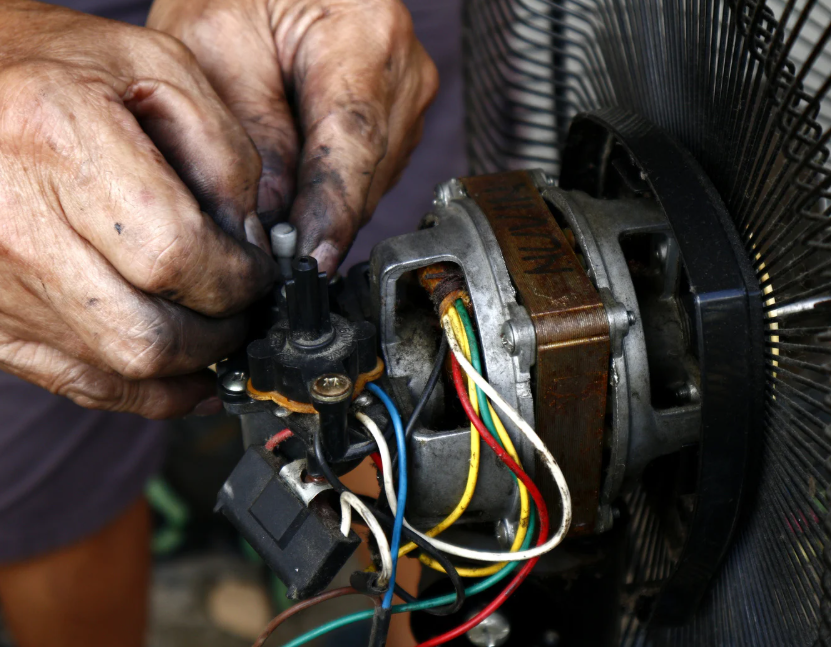
Constant start‑stop duty is one of the fastest ways to stress an electric motor. When a motor keeps cycling on and off, or runs at low speed with heavy load, heat builds inside the windings and bearings faster than it can escape. If that heat is not managed, insulation ages early, bearings fail, and your “engine” for production, pumping, or material handling can suddenly quit at the worst time.
Why Start‑Stop Kills Motors
Every start pulls a high inrush current that creates a burst of heat in the windings. If the motor starts again before it has cooled, those heat spikes stack up. In applications that mimic stop‑and‑go traffic—frequent starts on conveyors, compressors that short‑cycle, doors and lifts in constant use—this repeated stress slowly bakes insulation and hardens grease in bearings.
Stop‑and‑go duty is brutal on almost any electric motor—whether it is driving a pump, conveyor, hoist, or HVAC fan—because every start hits the windings with a high inrush current, every low‑speed push under heavy load traps more heat, and any dust‑clogged vents or cramped installation starve the frame of the airflow it needs to cool.
Over time insulation cooks, bearings dry out, overloads trip more often, and you slide from “it runs a bit hot” to full breakdown unless you size the motor correctly for its duty cycle, keep power quality in check, and stay on top of basic upkeep like cleaning vents, checking protection settings, and watching for rising temperature, noise, or vibration.
Cooling And Ventilation Make Or Break You
Electric motors rely on airflow across the frame and internal fan blades to shed heat. Dust‑clogged vents, motors tucked into tight corners, or fan shrouds blocked by stored material all trap warmth around the frame. Even if the nameplate load looks fine on paper, poor cooling can push actual operating temperature well beyond what the insulation class can handle.
Power Quality And Sizing Matter
Motors working off weak, fluctuating supply see extra heating from low voltage or imbalance between phases. Undersized motors that are “good enough” at light load may run near or above their rated current once real‑world stop‑and‑go duty kicks in. Both situations show up as elevated temperature, nuisance trips, and, eventually, winding failure.
Warning Signs Before Failure
There are usually clues before a motor “cooks” itself:
-
The frame feels hotter than usual for the same job
-
Overload relays or breakers trip more often
-
Bearings get noisy, or vibration increases
-
Insulation smell or slight discoloration around terminal boxes
Catching these signs early lets you repair or rewind instead of replacing after a catastrophic failure.
Simple Upkeep That Extends Motor Life
Basic motor upkeep goes a long way:
-
Keep vents and cooling paths clean and unobstructed
-
Check that the application’s duty cycle matches the motor’s rated duty
-
Verify overload settings and protection are correct for the motor
-
Monitor temperature and current on the heaviest‑used motors rather than guessing
Where stop‑and‑go is unavoidable, using motors and controls sized and specified for that duty (e.g., inverter‑duty motors with variable‑frequency drives) can reduce inrush stress and heat.
Protect Your Electric “Engines” With LN Electric
If your motors live in stop‑start conditions—on pumps, conveyors, lifts, or process equipment—it is worth having them checked before another busy season. LN Electric can assess loading and condition, repair or rewind tired motors, and help you choose the right replacements or control setups so your electric “engines” do not cook in their own version of traffic.
